
Most punters see the numbers flash on a keno board and figure the machine just picks whatever it fancies. After twenty years running esports operations and iGaming product lines, I can tell you the maths behind the draw is stricter than most lounge-room theories suggest. The real question for an Australian adult sitting down for a session is not whether the outcomes are random, but what that randomness means for your bankroll when the odds are stacked against you from the first ticket.
The RNG Reality Behind Every Draw
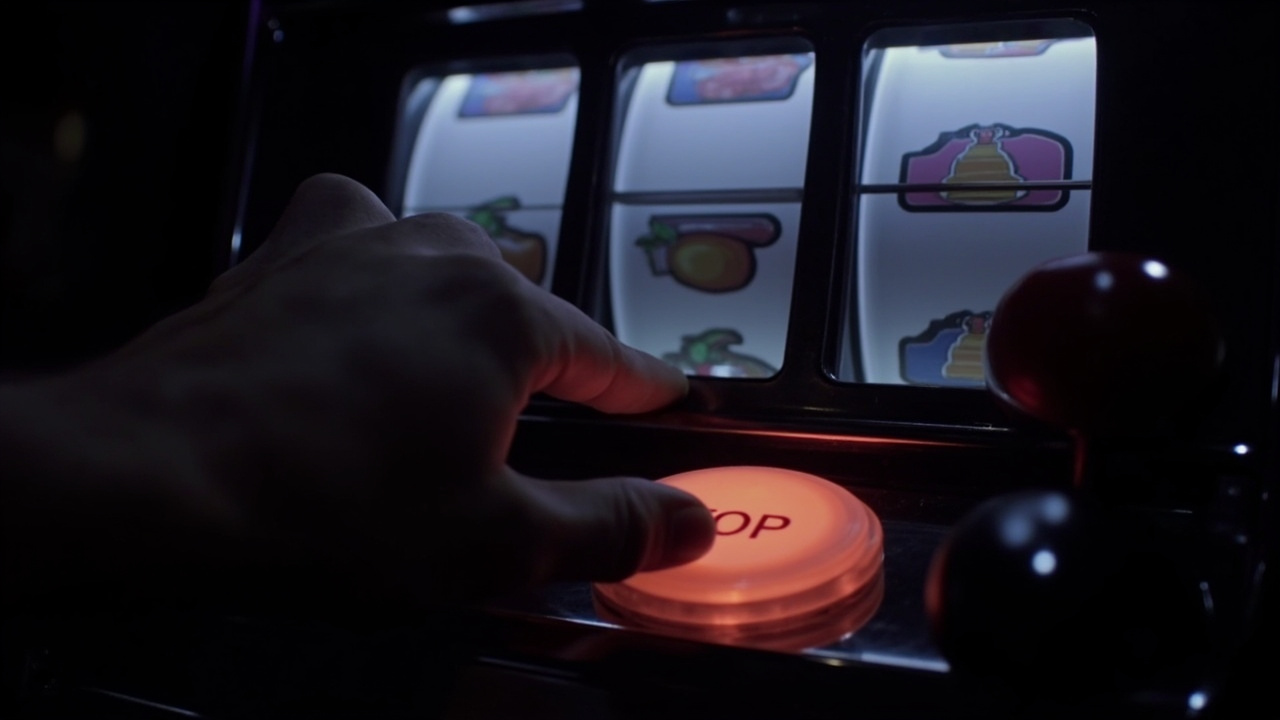
Keno draws rely on certified random number generators that cycle through combinations independently on every game round. Each number has the same probability of appearing regardless of what showed up in the previous round, so patterns you swear you spot are usually just your brain trying to make sense of noise. When I worked on Stake.com partnerships, we audited similar draw mechanics to make sure the published return-to-player figures matched the actual game behaviour across thousands of simulated spins. That same discipline applies here: the machine does not remember your last ticket, it does not owe you a hit after a dry run, and it certainly does not slow down when you are on a winning streak. If you want to compare timing against notes on local betting communities, where slow transfers get flagged fast, you will quickly notice that the draw speed stays flat whether you are up or down.
How Variance Hits Your Wallet
The trouble with keno is that randomness does not care about your cost-of-living pressure or the timing of your next payday. A ticket with ten numbers feels safer than picking three, but the payout structure is built so the house keeps its edge on every single game. I have seen product teams tune bonus frequency to match player retention curves, and keno is no different: the thrill of a near-miss is part of the design, not a glitch you can exploit. When mates discuss their sessions over a flat white at a Newcastle café, one will swear the machine went cold after a big hit while another reckons the same board paid out twice in an arvo. Both are watching the same random process through different lenses, and neither has found a reliable way to bend it. If you are chasing a bonus that requires a specific wagering multiple, you need to check the fine print on bonus contribution rules before you assume every win counts equally toward clearing it.
What To Look For Before You Play
A decent keno product makes its randomness visible rather than pretending it can be tamed. Look for published game rules that show the exact odds for each catch, a clear breakdown в нашей компании of how many numbers you can pick, and a payout table that does not hide the house edge behind vague promises. Registration should be straightforward, mobile play should load without throwing errors on a decent connection, and support should actually answer questions about game mechanics instead of pasting a generic help article. I have reviewed enough iGaming builds to know that a platform worth your time keeps its licence details, game providers, and payment currencies consistent across the whole account flow. When someone asks me whether a new keno lobby is worth a look, I start with the transparency of the rules, not the size of the welcome offer.
When The Bonus Meets The Reality
Promotions can look generous on the surface but the contribution rates and eligibility limits often tell a different story. A welcome bonus might require a certain number of active games before any withdrawal is allowed, and keno tickets sometimes contribute only a fraction of the required playthrough compared with other titles. Recurring promos can keep you engaged through a slow month, but they are not a substitute for a bankroll that fits your actual budget. I have managed product launches where the bonus maths looked fine on paper until we stress-tested it against real deposit and withdrawal cycles, and the same caution applies here: treat any offer as a temporary top-up, not a reason to stretch beyond what you can afford to lose. For anyone who feels the urge to keep chasing losses after a bad session, free confidential support is available around the clock and does not judge you for asking.
Randomness in keno is real, but it is not your friend. The draws are independent, the edge is baked in, and the only reliable control you have is how much you decide to risk before you press play. Treat the game as paid entertainment with a fixed cost, keep your ticket sizes in line with your own limits, and walk away when the session stops being fun.